With the development of electric vehicles (EVs), electrified systems, and advanced technologies, understanding the interactions between fluids and metals is essential to ensuring component reliability. Corrosion can impair electrical performance, damage motors, increase resistance, and shorten system service life.
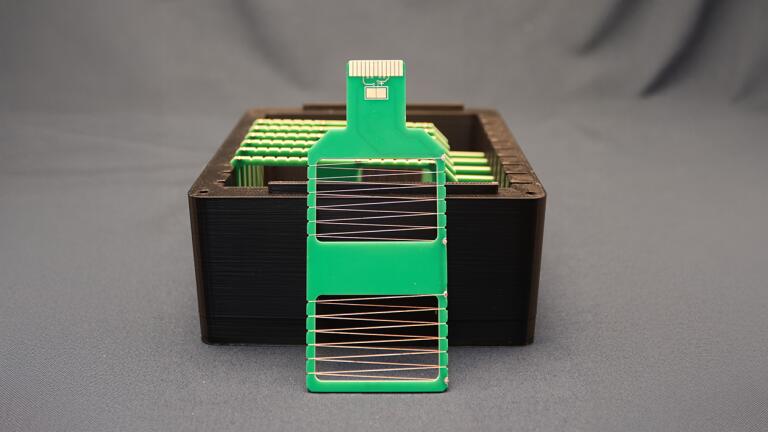
The Wire Corrosion Test (WCT) measures not only the presence of corrosion but also its rate of progression under conditions simulating real-world use. This test is particularly well-suited for electric and hybrid vehicles, where conductive materials like copper are exposed to high temperatures and potentially reactive fluids (such as lubricants and coolants). It helps assess material-fluid compatibility, particularly within motors, inverters, and thermal management systems.
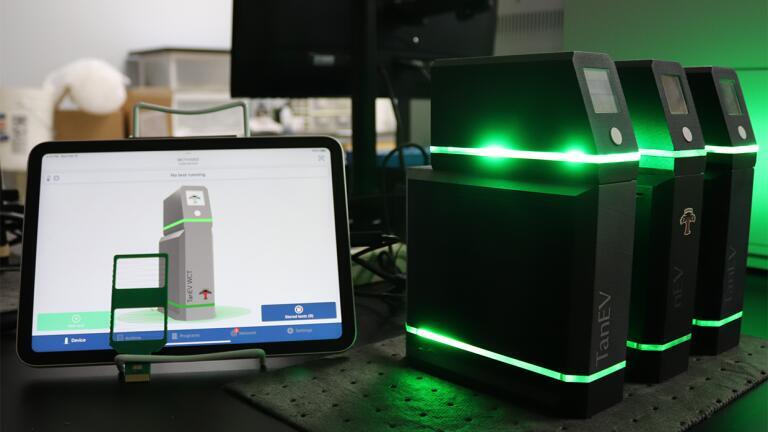
Companies can conduct these tests through specialized laboratories—such as Savant Labs, which uses the Tannas Company TanEV WCT™ instrument—or acquire the equipment to perform testing in-house. The system monitors changes in the conductivity of a wire exposed to a fluid and its vapor phase over a 72-hour period, then converts this data into a quantifiable corrosion rate indicator.
Additionally, the Conductive Deposit Test (CDT), performed in accordance with ASTM D8544, evaluates a fluid’s tendency to form conductive deposits that could cause short circuits or electrical arcing within EV components. Unlike the WCT, it measures the risk of electrical failure associated with deposits rather than corrosion itself.
Thus, WCT and CDT testing serve as vital tools in the development of fluids for electric vehicles, enabling the selection of compatible materials, enhancing system durability, and reducing the risk of failure in vehicles and other electrified applications.

Source bulletin électronique de juillet 2026
En savoir plus sur Fluides et Lubrifiants
Abonnez-vous pour recevoir les derniers articles par e-mail.


